
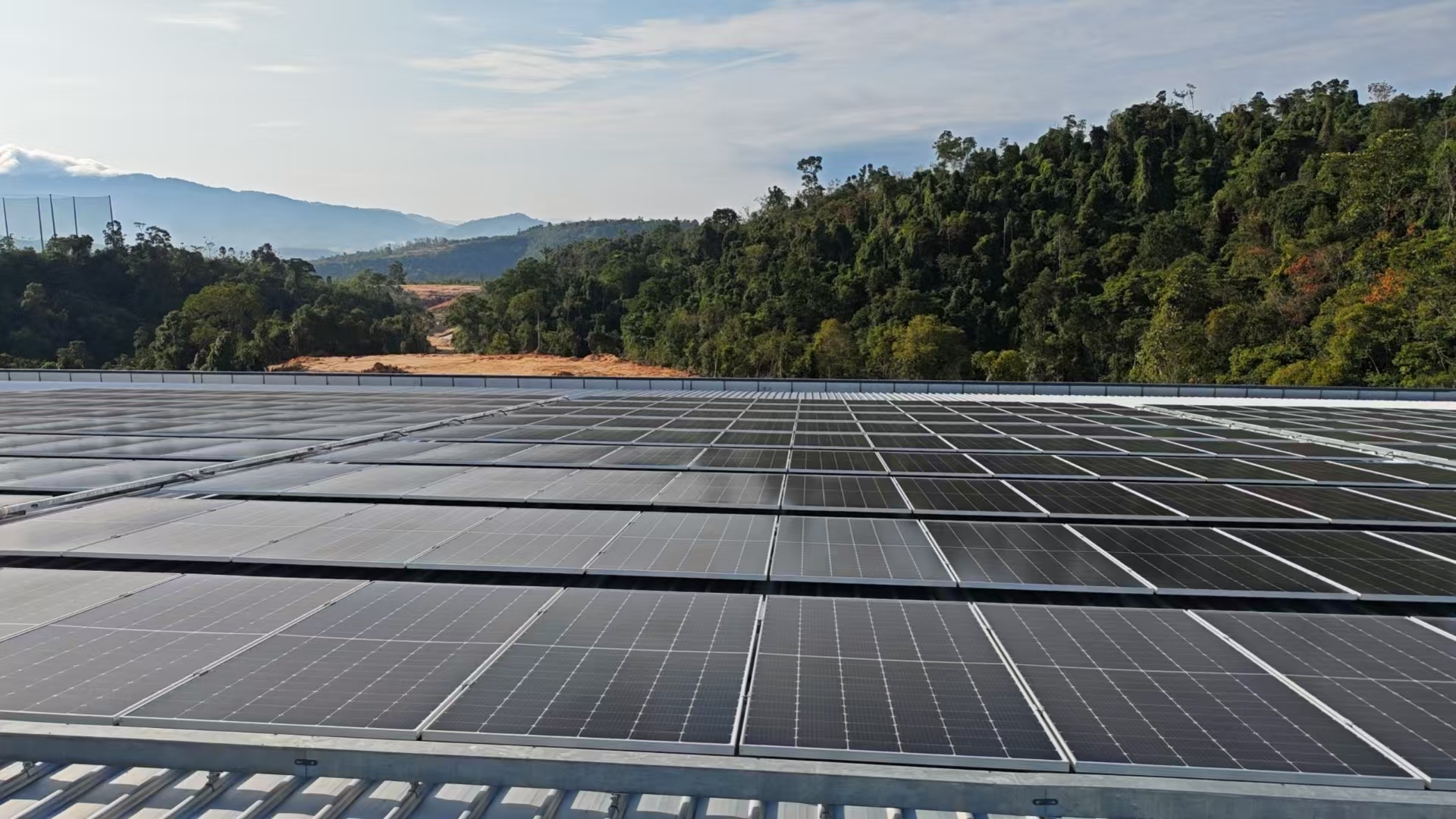
Black and blue solar panels are popular choices for both residential and commercial solar installations. The black panels often have a sleek and modern appearance that complements the look of many homes and buildings. The blue panels, on the other hand, are often less expensive and can provide a more traditional look to the installation. Both types of panels are efficient at converting sunlight into electricity, which makes them a sustainable and cost-effective choice for renewable energy.
Throughout this article, we are going to talk about different kinds of solar panels in addition to answering questions such as why solar panels are blue or black solar panels better.
Black vs Blue Solar Panels
Solar panels are a popular choice for those looking to transition to renewable energy sources. Among the options available, black and blue solar panels are two of the most common choices on the market. Both types of panels have their own unique characteristics and advantages, making it important for consumers to understand the differences before making a decision.
Black solar panels are known for their sleek and modern appearance, making them a popular choice for residential installations. These panels are typically made with monocrystalline cells, which are known for their high efficiency and durability. The black colour of these panels also allows them to blend in seamlessly with the roof of a home, giving them a more aesthetically pleasing appearance.
On the other hand, blue solar panels are often made with polycrystalline cells, which are generally less efficient than monocrystalline cells. However, blue panels are typically more affordable than their black counterparts, making them a popular choice for budget-conscious consumers. While blue panels may not be as efficient as black panels, they are still a reliable option for generating solar energy.
In terms of performance, black solar panels are generally more efficient than blue panels. Monocrystalline cells are known for their high energy conversion rates, allowing black panels to generate more electricity in a smaller space. This can be beneficial for homeowners with limited roof space or those looking to maximize the energy output of their solar energy system.
Despite their lower efficiency, blue solar panels still have their own advantages. These panels are typically more affordable than black panels, making them a budget-friendly option for those looking to invest in solar energy. Additionally, blue panels are durable and long-lasting, making them a reliable choice for homeowners looking for a cost-effective renewable energy solution. Also, black solar panels needs less roof space than blue one. In addition, they have longer life span.
In conclusion, both black and blue solar panels have their own unique characteristics and advantages. While black panels are more efficient and aesthetically appealing, blue panels are more affordable and still provide reliable performance.Whether you prioritize efficiency, affordability, or aesthetics, there is a solar panel option that will meet your needs and help you make the switch to sustainable energy. If you are curious to know which solar panel is the best for RANKTOP on grid inverter, be in touch with us.
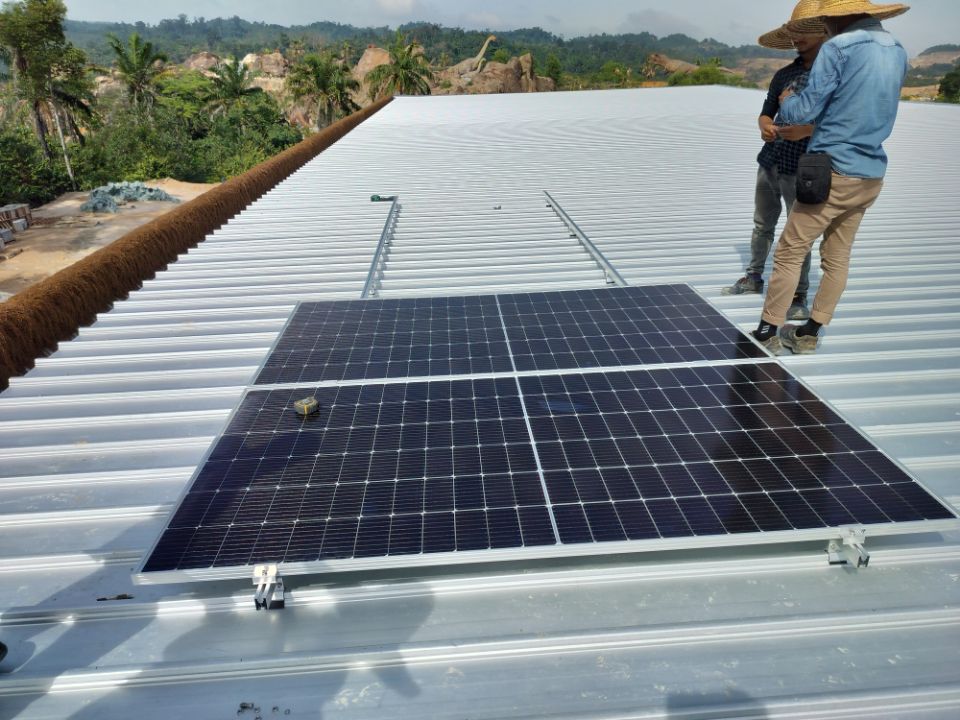
4 Different colors of solar panels
Solar panels are traditionally sleek and black in color, but there are now options for solar panels in different colors as well. Some companies offer solar panels in shades of blue, green, red, and even transparent.
While colored solar panels may be more expensive than standard black panels, they still offer the same energy-efficient benefits and can help homeowners and businesses reduce their carbon footprint. Additionally, some colored solar panels are designed to be more efficient and produce more energy than traditional panels.
In the next part, we are going to introduce different colors and explain each.
1.Blue solar panles
Blue solar panels are the most common color used in solar energy systems. The blue color comes from the silicon-based photovoltaic cells that make up the panels. These cells absorb sunlight and convert it into electricity. Blue panels are efficient at converting sunlight into electricity, making them a popular choice for residential and commercial installations.
2.Green solar panels
Green solar panels, on the other hand, are a popular choice for environmentally conscious consumers. The green color of these panels comes from a thin layer of green film that is applied to the surface of the photovoltaic cells. This film helps to enhance the absorption of sunlight and improve the efficiency of the panels. Green solar panels are often used in conjunction with other sustainable building materials to create eco-friendly homes and businesses.
3.Black solar panels
Black solar panels are a sleek and modern option for those looking to add a touch of sophistication to their solar energy system. The black color of these panels comes from a dark coating that is applied to the surface of the photovoltaic cells. This coating helps to absorb more sunlight and increase the efficiency of the panels. Black solar panels are often used in high-end residential and commercial installations to create a seamless and aesthetically pleasing look.
4.Red solar panels
Lastly, red solar panels are a bold and eye-catching choice for those looking to make a statement with their solar energy system. The red color of these panels comes from a specialized pigment that is applied to the surface of the photovoltaic cells. This pigment helps to absorb sunlight and increase the efficiency of the panels. Red solar panels are often used in artistic and creative installations to add a pop of color to the space. The color red is associated with passion and energy, making red solar panels a unique and eye-catching choice for those looking to stand out with their renewable energy system. You can change RANKTOP hybrid inverter price list in our official site.
Cost of black and blue solar panels
Black solar panels are more expensive than blue solar panels because of their manufacturing processes. Blue solar panels typically cost between £250 to £300 per m2 and black panels cost between £300 to £450 per m2: 20% higher in cost because making monocrystalline silicon is a more complicated.
RANKTOP inverter, the best inverter and solar panels distributor
Choosing between blue and black solar panels depends on your priorities. Black solar panels provide higher efficiency and a more appealing appearance. Blue solar panels are less expensive than black solar panels with good performance. Understanding the differences between these two types of panels can help you make the best decision. To get more details about RANKTOP inverters, call our technicians.
on grid inverter,hybrid inverter price,solar energy system,RANKTOP inverters,on grid inverter,on grid inverter
on grid inverter,hybrid inverter price,solar energy system,RANKTOP inverters,on grid inverter,on grid inverter
on grid inverter,hybrid inverter price,solar energy system,RANKTOP inverters,on grid inverter,on grid inverter
on grid inverter,hybrid inverter price,solar energy system,RANKTOP inverters,on grid inverter,on grid inverter
on grid inverter,hybrid inverter price,solar energy system,RANKTOP inverters,hybrid inverter price
on grid inverter,hybrid inverter price,solar energy system,RANKTOP inverters,hybrid inverter price
on grid inverter,hybrid inverter price,solar energy system,RANKTOP inverters,hybrid inverter price
on grid inverter,hybrid inverter price,solar energy system,RANKTOP inverters,hybrid inverter price
solar energy system,solar energy system,solar energy system,solar energy system,RANKTOP inverters
RANKTOP inverters,RANKTOP inverters,RANKTOP inverters,RANKTOP inverters,RANKTOP inverters
RANKTOP inverters
